
Diamonds have long been admired for their beauty, brilliance, and enduring appeal. However, despite their popularity, many misconceptions continue to influence how people perceive and purchase diamond jewellery. These myths often create unnecessary confusion, making it difficult for buyers to make informed decisions.
Whether you are purchasing your first diamond ring, building a jewellery collection, or selecting a meaningful gift, understanding the facts behind these common beliefs can help you choose with greater confidence.
Myth 1: A Larger Diamond Is Always Better
One of the most widespread misconceptions is that a diamond’s value and beauty are determined solely by its size. While carat weight is an important consideration, it is only one aspect of a diamond’s overall appearance.
Factors such as cut quality, symmetry, brilliance, and craftsmanship significantly impact how a diamond looks. In many cases, a smaller diamond with an exceptional cut can appear more radiant and visually impressive than a larger stone with poor proportions.
Today’s jewellery buyers increasingly prioritize elegance, wearability, and overall design rather than focusing exclusively on size.
Myth 2: Diamonds Cannot Be Damaged
Diamonds are renowned for their remarkable hardness, making them highly resistant to scratches. However, hardness should not be confused with indestructibility.
Like any precious gemstone, diamonds can chip or fracture if subjected to significant impact or improper handling. This is why proper care, secure settings, and regular jewellery maintenance remain essential.
Removing diamond jewellery during strenuous activities and storing pieces carefully can help preserve their beauty and longevity for years to come.
Myth 3: A Higher Price Always Means Better Quality
Many buyers assume that a more expensive diamond automatically represents superior quality. In reality, pricing is influenced by a combination of factors, including cut, colour, clarity, and carat weight.
Among these characteristics, cut quality is often the most important. A well-cut diamond maximizes light performance, creating exceptional brilliance and sparkle regardless of its size.
Understanding diamond grading and certification allows buyers to evaluate quality more accurately and make purchasing decisions based on value rather than price alone.
Myth 4: Diamonds Are Only Meant for Engagement Rings
While diamonds remain closely associated with engagement jewellery, their role in modern fashion has expanded considerably.
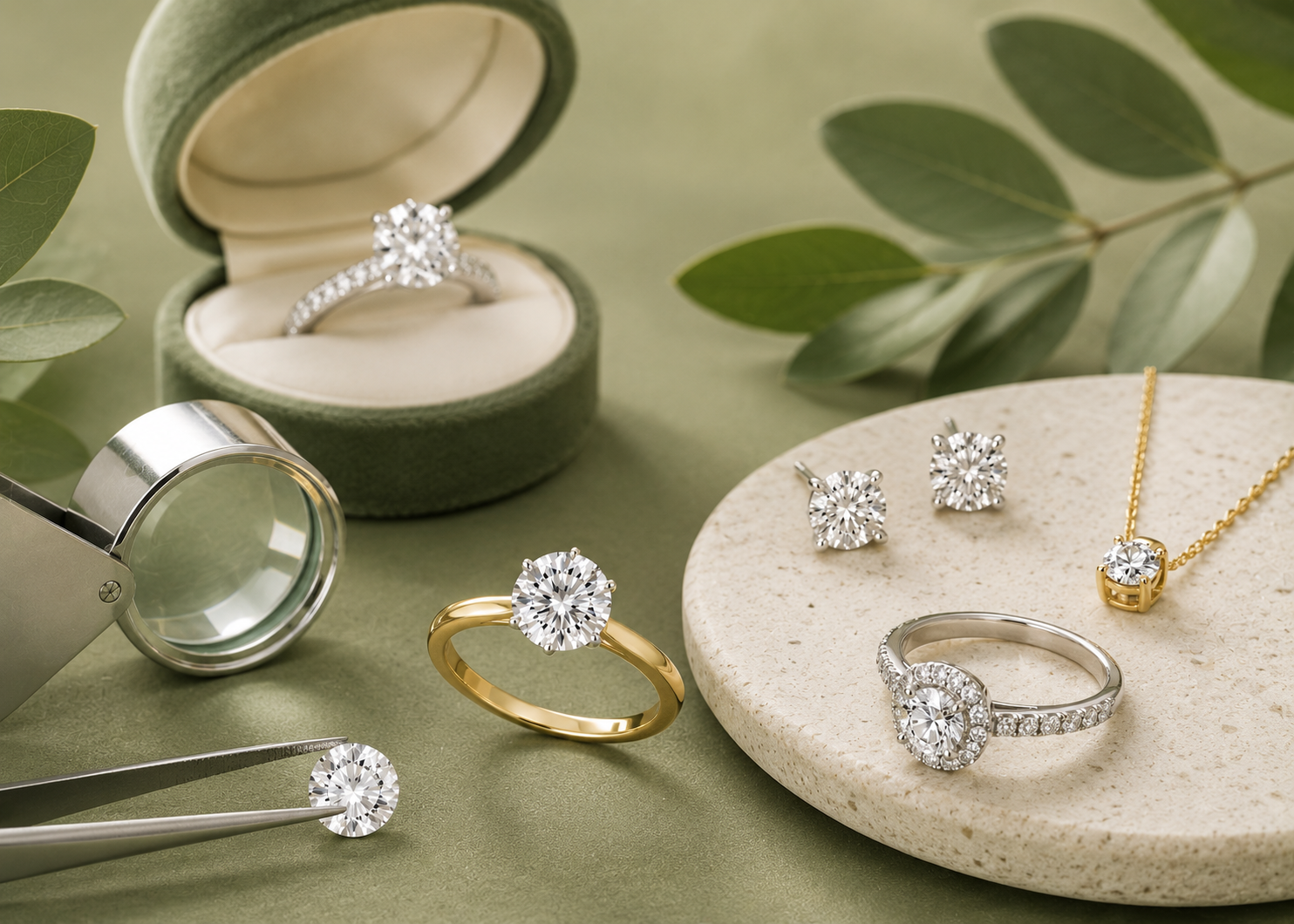
Today, diamond jewellery is embraced as part of everyday luxury. Tennis bracelets, tennis necklaces, diamond studs, stackable rings, and contemporary statement pieces have become essential additions to modern jewellery collections.
In addition, self-purchasing trends continue to grow, with many individuals choosing diamond jewellery to commemorate personal achievements, milestones, and meaningful life moments.
Myth 5: Lab-Grown Diamonds Lack the Beauty and Brilliance of Traditional Diamonds
One of the most common misconceptions surrounding lab-grown diamonds is that they appear less beautiful or sparkle differently. In reality, lab-grown diamonds possess the same optical, physical, and chemical characteristics as traditionally sourced diamonds.
Their brilliance, fire, and overall appearance are determined primarily by factors such as cut quality, craftsmanship, and design rather than where the diamond was created.
Lab-grown diamonds have become increasingly popular among modern buyers because they offer exceptional beauty, remarkable quality, and outstanding value. They allow consumers to choose larger or higher quality diamonds within their budget while enjoying the same stunning visual appeal expected from fine diamond jewellery.
As innovation continues to shape the jewellery industry, lab-grown diamonds have established themselves as a sophisticated and desirable choice for contemporary consumers seeking luxury, craftsmanship, and lasting brilliance.
Why Understanding Diamond Myths Matters
Purchasing diamond jewellery is often both an emotional and financial investment. Misconceptions can create unnecessary expectations and uncertainty, particularly for first-time buyers.
Understanding the facts allows you to focus on what truly matters when selecting jewellery:
- Exceptional craftsmanship
- Timeless design
- Personal style and preference
- Quality and value
- Meaningful emotional connection
When buyers move beyond common myths, they are better equipped to choose jewellery that genuinely aligns with their needs and aspirations.
Conclusion
Diamonds represent far more than luxury. They symbolize memories, milestones, personal achievements, and meaningful relationships. By understanding the truth behind common misconceptions, buyers can approach diamond jewellery with greater clarity and confidence.
Whether you are drawn to classic solitaires, contemporary everyday pieces, or timeless heirloom-inspired designs, the ideal diamond is not defined solely by size or price. The most meaningful choice is one that reflects your personal style, celebrates your story, and remains cherished for years to come.